

Blog
Carefully managing change in historic environments can benefit communities and nature

With climate change raising sea levels, shifting coastlines and changing weather patterns across the UK, many historic sites and landscapes are becoming increasingly vulnerable and more difficult to maintain in a stable condition.
Historically, this has presented heritage organisations and land managers with the challenge of trying to resist changes to these sites, facing increasing costs in the process.
But now, collaborative research is showing how in some cases – when ongoing protection is not possible – change provides an opportunity to create new benefits for nature and communities.
Researchers at the Adaptive Heritage Practice Lab (AHPL) have launched the ‘Changing Places Storymap’ – an interactive map with case studies from the UK and beyond – which shows how land managers and heritage practitioners are experimenting with new ways of working in dynamic historic and natural environments.
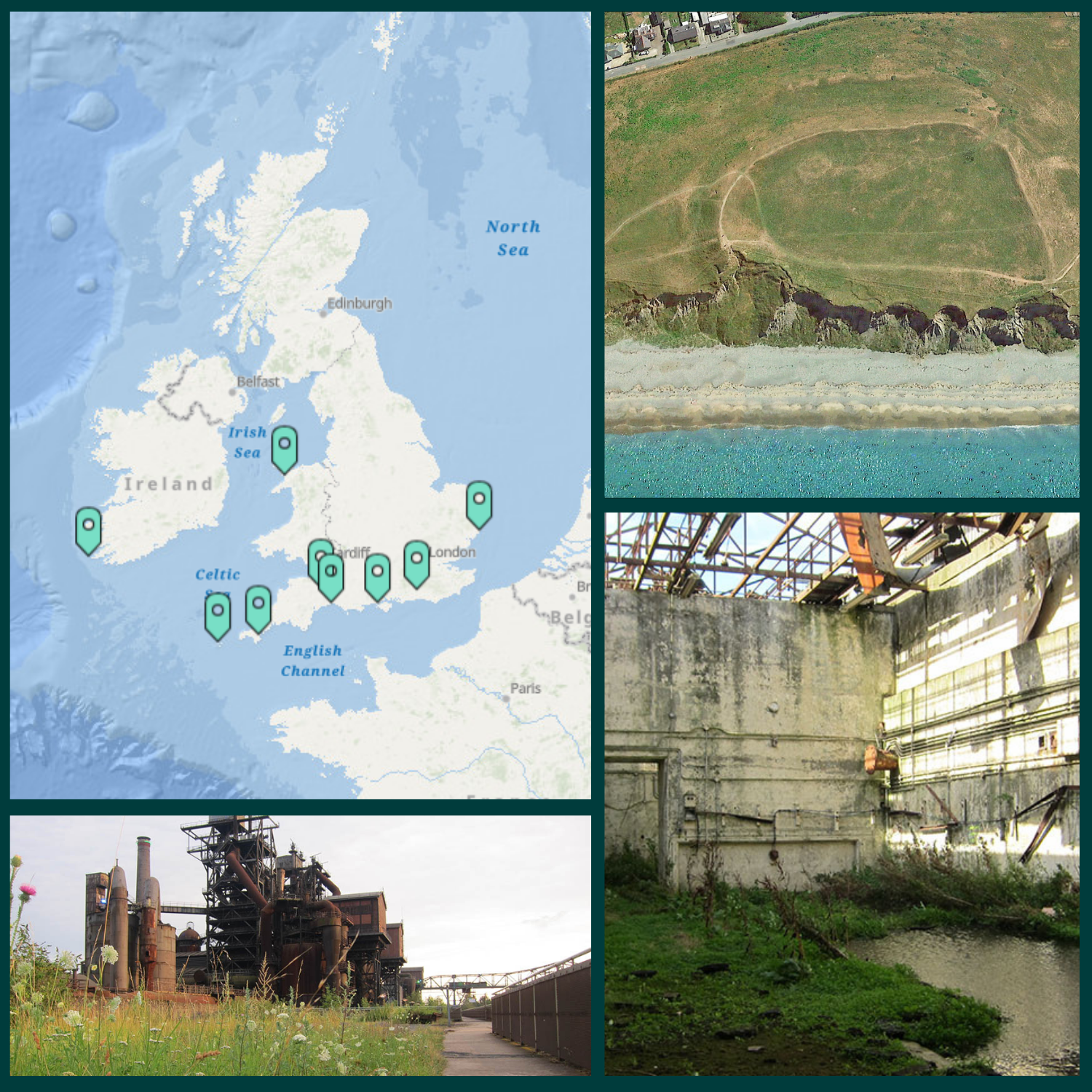
This includes places like Tone Works in Wellington, where a disused textile finishing complex is gradually being reimagined as a shared space for people and wildlife, and the coastal hillfort of Dinas Dinlle in Wales, where the National Trust is involving the local community in archaeological excavations and the ongoing interpretation of the site as it erodes.
These stories and others show how conservation and heritage managers are making decisions about when to resist change, when to direct it, and when to accept it.
“Adaptive heritage isn’t about giving up on these places,” says Professor Caitlin DeSilvey, Director of the Adaptive Heritage Practice Lab. “It’s about managing change thoughtfully – working with communities and landowners to protect when we can and plan ahead for how to respond sensitively and creatively when we can’t.”
AHPL’s storymap is part of a wider programme at the University of Exeter exploring practical strategies for heritage adaptation. This includes the Adaptation Community of Practice, run by Peter Lefort in the Green Futures Network, which gives organisations free access to resources and guidance around adaptation.
As part of Exeter’s strategic partnership with the National Trust, Dr Martina Egedusevic is reviewing the Trust’s guidance around climate adaptation to understand how practitioners are using it.
The two initiatives are joining forces on 11 December, when Martina will be presenting the National Trust’s climate change adaptation guidance to the Adaptation Community of Practice.
“Heritage adaptation isn’t only about assets”, says Dr Egedusevic. “It’s about people, too. Our recent project with the National Trust shows that managers need clear, practical tools and real examples of what works, but they also need space to grapple with uncertainty and complicated emotions about change. With the proper support, adaptation becomes not a loss of heritage, but a way of securing its future meaning.”
Interested in heritage adaptation?



Related



Exeter Innovation
We are the trusted partner in transformative innovation, empowering organisations across the globe to make ecologically responsible decisions – for today and for future generations.